
The Case for Doing Less at the Beach
The dunes here have been rearranging themselves for centuries, unhurried and unbothered. After a few days at Dune House, I moved at their pace too.
There’s a kind of tiredness sleep can’t fix. It travels through airports and into hotel rooms until it meets a place that quietly refuses to play along. Dune House Hotel & Spa sits directly on the Atlantic at 1 Ocean Boulevard, and within a day the ocean had loosened my grip on busyness altogether.
I arrived on a Friday afternoon with one goal: to switch off. Jenny Odell’s How to Do Nothing: Resisting the Attention Economy argues that stepping back from constant productivity is an act of reclamation. Tricia Hersey, founder of The Nap Ministry, built a related idea into daily practice, treating rest as something worth protecting on purpose. Both ideas have moved from the margins into the mainstream, which is what led me to a barrier island in northeast Florida, phone face-down on the nightstand, ignoring email for three days.
The Benefit of Doing Nothing
The strange thing about doing nothing is that it isn’t a switch you flip, it’s a slow untangling you only notice after the fact.
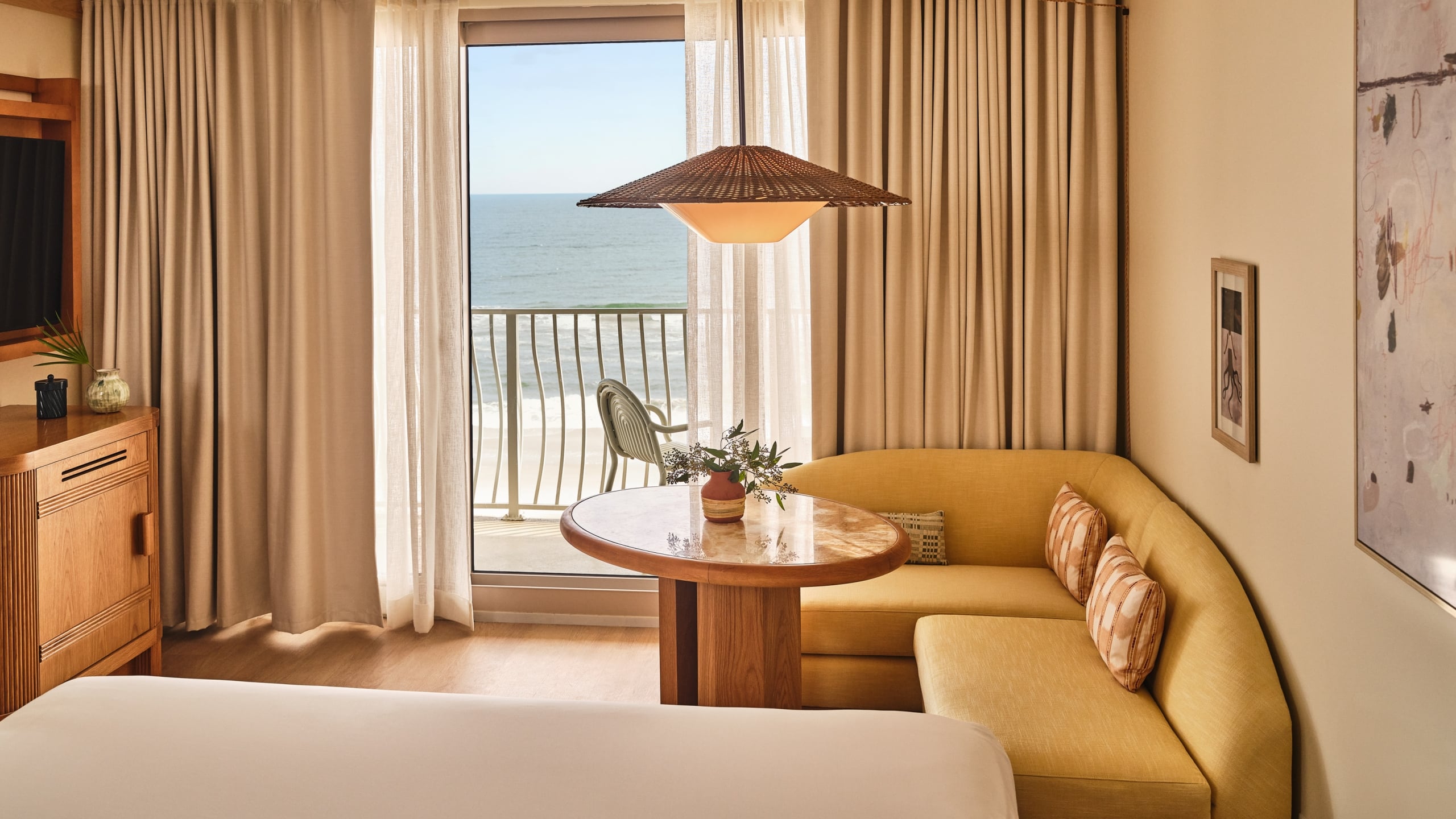
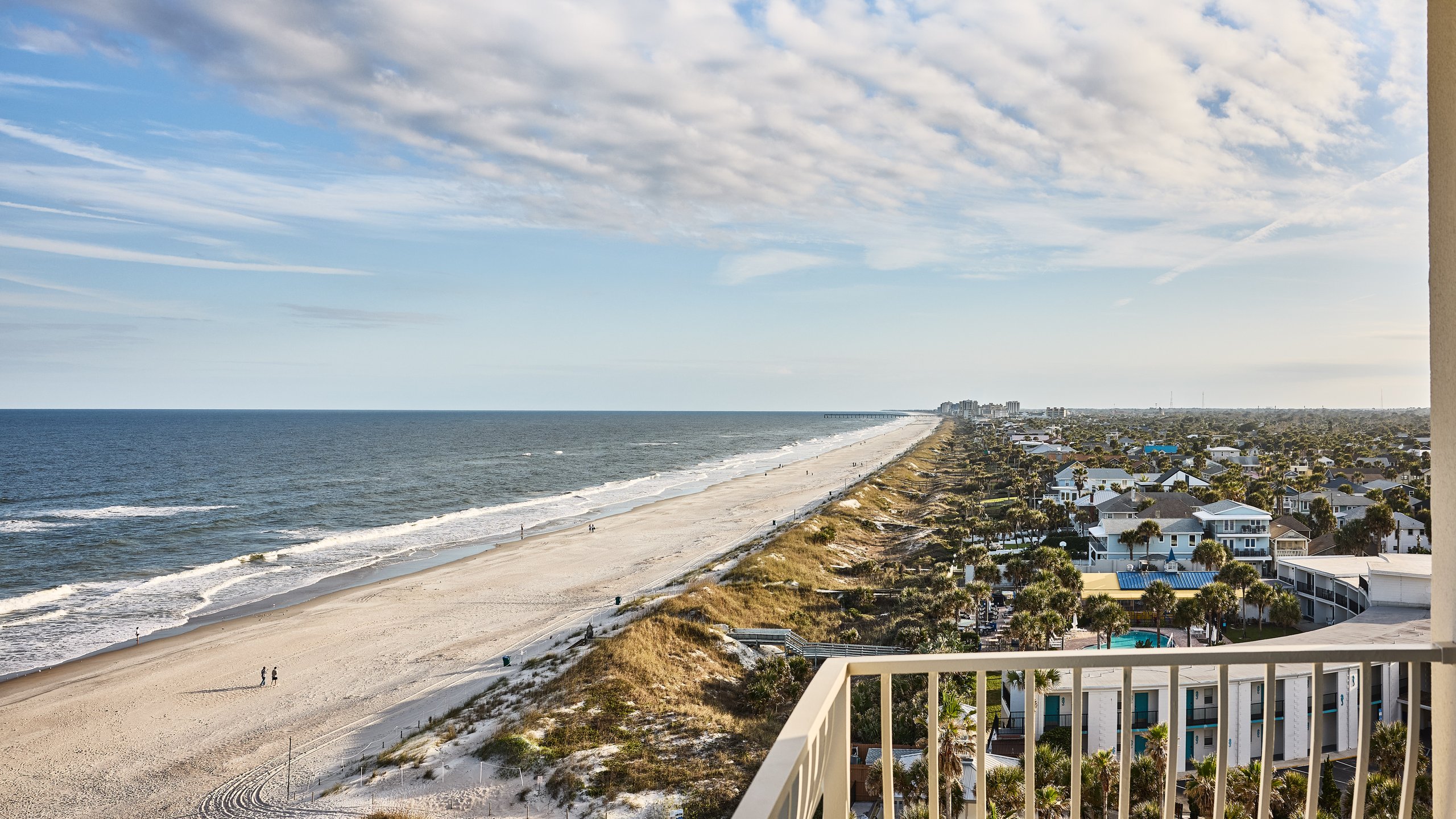
That first evening I watched the water until dark without checking my phone once. My room opened through floor-to-ceiling glass doors onto a private balcony, the Atlantic in view from nearly every angle, meditative and calming in its effect. The tide moved in and out, indifferent to any schedule, which felt oddly instructive: nothing out there was asking anything of me either. Dune grass swayed in the breeze below. A pelican skimmed the waterline. The light turned the water copper, then rose, and at some point I realized I hadn’t thought about work in over an hour. By the second morning, I noticed the tightness in my shoulders had already eased.
The town outside matched this mood. A skate park two blocks from the water, a bar built for stories, a stretch of beach wider and quieter than most. Nobody seemed to be performing relaxation for anyone; they were just living here, at an easy pace that suited them, and it turned out to be contagious.
How To Put Your Phone Down
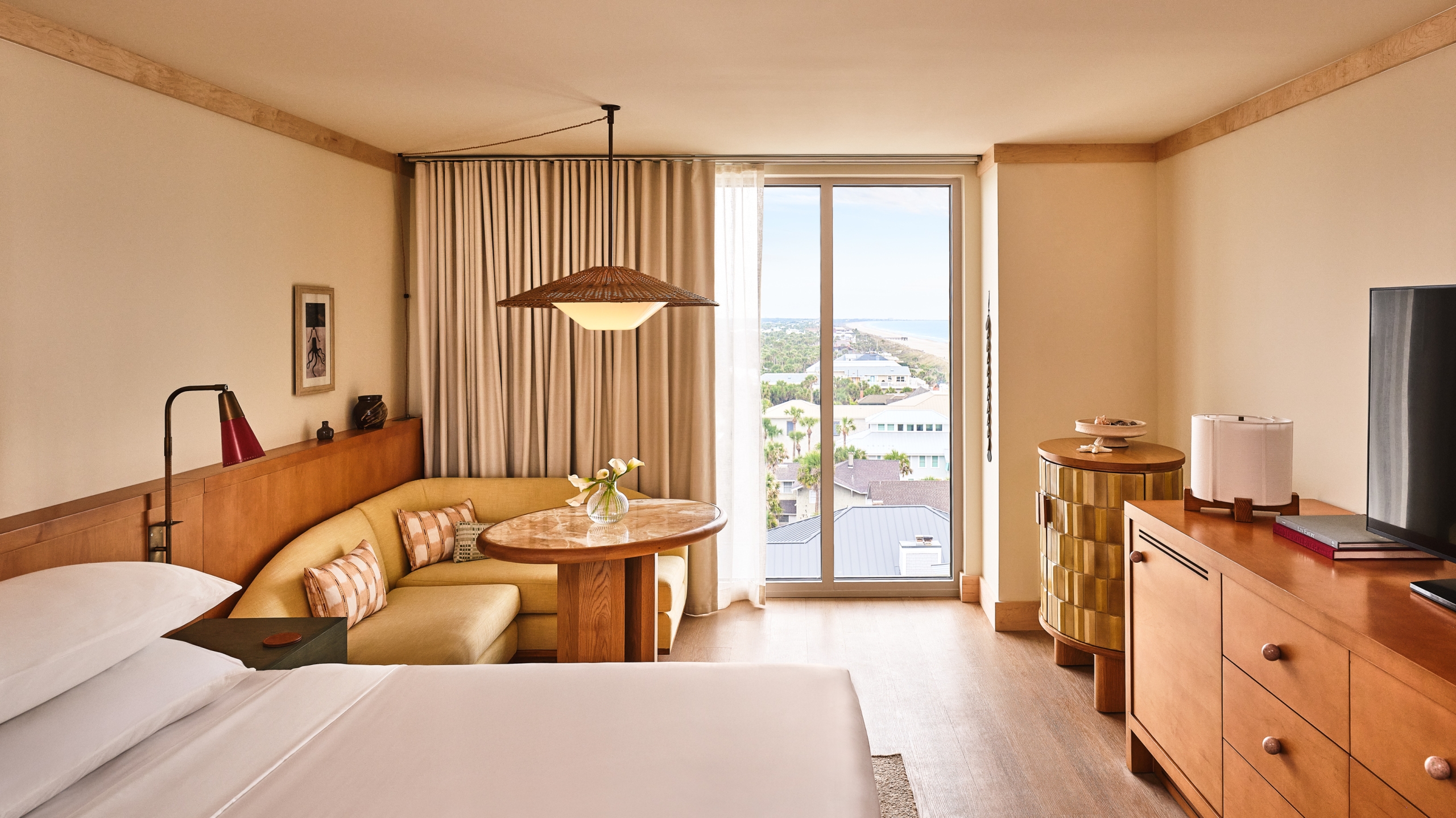
On the nightstand that first night, I found a small collection of things I hadn’t asked for: a tea blend, a card with a single prompt written on it, and a pair of cooling eye masks. I’d half-expected to ignore it all in favor of the balcony. Instead, once the light outside had gone, I found myself reaching for the card.
The prompt asked what I would do today if I had nowhere to be. I didn’t have an answer, which felt like the right kind of failure. I made the tea anyway and sat with it in the dark, then after about 20 minutes I reached for the paperback in my bag. That’s arguably the whole point of switching off: no grand ceremony, just finally having the quiet to read something for pleasure. That was the whole evening, unglamorous and a little restless, and it still counted.
There’s no trick to putting a phone down. What’s harder is sitting with the quiet that follows, the slight itch of a mind that’s used to being fed something. Jenny Odell writes about life as something more than an instrument, not a project to be streamlined, and that’s closer to what this felt like than any kind of self-improvement. I wasn’t resetting for a better tomorrow. I was simply sitting with the quiet, which turned out to be its own small, complete thing.
A Break with No Agenda
On day two, I left the afternoon open. The stretch of unscheduled time gave back a version of myself that had been buried for months.
Afterward I walked to Poe’s Tavern, Atlantic Beach’s neighborhood gastropub two blocks from the water. The burgers are ground in-house, the beer list leans local, and the patio welcomes dogs and long afternoons. I ate at the bar, talked briefly with a couple celebrating an anniversary, and walked back slowly, enjoying the sea breeze.
That evening, golden hour found me on the balcony again. From the Oceanfront Corner King, I watched the light stretch shadows across the sand and didn’t think to reach for my phone.
28 vs. 38 at the Beach
At 28, my beach trips came with a checklist: restaurants to rank, bars to visit in order, sunsets to photograph before the light and the algorithm both moved on. Underneath it ran a quiet worry about whether I’d used the weekend well enough.
By 38, I’ve mostly let the checklist go, not from lost ambition but from learning what actually feels restorative. I’ve chased stimulation while calling it rest before, and landed home more tired than when I left.
This time I wanted something simpler: waking without an alarm, coffee taken slowly outside, one long meal, a good book, a walk with no destination, a bed I was tired enough to sleep in deeply.
Atlantic Beach suited that pace naturally. Nothing nearby pulled at my schedule, and the neighborhood didn’t ask anything urgent of me. Traveling alone here carried its own relief: nothing to narrate, no one to perform for. A 7am walk on the sand, followed by morning light moving across the water from my room, was already a good morning.
I’d come for restoration rather than adventure, and what I needed turned out to be a short list: a great room, proximity to the ocean, and permission to do less.
Dune House gave me that permission in its architecture, its pace, and in the small, built-for-purpose rituals left on the nightstand. Tricia Hersey calls rest an ongoing practice, not a single trip, and a few days here didn’t undo years of habit. What they did was remind me the slower pace is available, something to keep returning to rather than reserve for one deliberately unhurried weekend a year.